11 April 2024
Cover Story: Spotlight on independent smallholders
This article first appeared in The Edge Malaysia Weekly on April 1, 2024 - April 7, 2024
SMALLHOLDERS have been the focus of attention lately with the Minister of Plantation and Commodities Datuk Seri Johari Abdul Ghani, who took office last December, mooting the idea of having the 214,680 independent smallholders (ISHs) working on 822,073ha consolidate and form clusters of about 8,000ha to 10,000ha. No timeline was given for this to take place, but questions have been raised as to how the government plans to do this.
What is known is that land ownership will remain with the ISHs, as Johari clarifies in his response to queries from The Edge (see “Consolidation will not ‘take over any land from individual landowners’”).
The motivation behind the idea to consolidate is to extract more value from the land, with smallholders managing 27% or 1.5 million hectares of the 5.7 million hectares of oil palm plantations as many of them, with parcels of land measuring only 4ha, have difficulty raising their yields.
Smallholders are defined as farmers owning or leasing an area of land measuring less than 40.6ha or about 100 acres. There are two categories of smallholders — those organised under schemes, such as those by the Federal Land Development Authority (Felda) or Felcra Bhd, and ISHs who work the land themselves or employ workers to do so.
Note that smallholders are exempted from the windfall profit levy.
There is general agreement among industry experts and ISHs themselves that consolidation is a good idea and would help to improve productivity and income levels. But as the minister acknowledged in his speech at the 35th Palm & Lauric Oils Price Outlook Conference & Exhibition (POC) in Kuala Lumpur on March 5, it won’t be easy.
The oil palm smallholder
According to international civil society organisation Solidaridad, oil palm smallholders only generated US$17 billion or 6% of value in the industry’s entire chain worth US$282 billion in 2020. Interestingly, it points out that “the concept of ‘profit’ may not be applicable” to small-scale planters with fast-moving consumer goods (FMCG) players and retailers capturing 66% of the gross profits from “embedded palm oil”.
Nevertheless, Solidaridad notes in its inaugural Small Farmer Atlas report on eight cash crops that most of the oil palm smallholders it surveyed in Indonesia, Malaysia and Ghana “see themselves as relatively well-off compared to the average farmer in their country”. It adds that the fresh fruit bunches (FFBs) can be harvested the whole year round, providing a steady cash flow, and oil palm is often seen as “the one crop that can help a family out of poverty within a generation”.
What is holding back Malaysia’s ISHs? How productive are they?
There is no publicly available data on ISHs’ FFB or oil yield per hectare but given their small land area, they have difficulty scaling their operations and improving efficiency and yields. What’s more, the lack of discipline in replanting among smallholders — both organised and independent — has often been cited as one of the contributing factors to the stagnant national yield.
At the POC, Johari said the replanting rate between 2014 and 2023 had remained low at 1.8% annually. Industry best practices require 4% to 5% of oil palm trees to be replanted every year. “Otherwise, by 2027, over 560,000ha of oil palm trees will be over 25 years old. This would lead to lower production in the future,” he pointed out.
Note that 560,000ha is almost 10% of the total planted area of oil palm in Malaysia.
Smallholders are reluctant to chop down their old oil palms to replant when crude palm oil (CPO) prices are high. Oil palms have a productive life of 25 to 30 years.
“Oil palm is usually replanted after 25 years when yields have declined and palms have become too tall. But at times of high CPO prices, planters as well as smallholders tend to delay replanting in order to cash in on immediate financial gains rather than replanting with superior new-generation planting materials,” says Teoh Cheng Hai of Solidaridad Network Asia.
Then there is the cost of replanting itself and the lack of income while the oil palm trees reach the age when they start bearing fruit, which could take up to three years. A few of the ISHs The Edge spoke to complained about the lack of financial support from the government to undertake replanting.
Early this year, it was reported that the government had allocated RM100 million for the Smallholder Palm Oil Replanting Financing Incentive Scheme (TSPKS 2.0), which is distributed by Agrobank. The financial support will be in the form of a grant (50%) and loan (50%).
One way to make up for the lack of income as the trees mature is intercropping, whereby banana or papaya trees are planted between the oil palms.
“The replanting rate that the smallholders undertake right now is slower. And as you know, the cost to manage on a per hectare basis has also increased. So for them, ‘If I’m getting only RM500 a month and if I plant durians I can get RM1,200, I can double my income level — why should I bother to do oil palms?’” says FGV Holdings Bhd group CEO Datuk Nazrul Mansor, who spoke about consolidating oil palm smallholders at last year’s POC.
The low replanting rate has caused the country’s total production of CPO to stagnate at below 19 million tonnes for many years, unable to cross the 20 million tonne threshold, he adds. Also, the expansion of planted area has been curbed in the last decade or so by the focus on deforestation and environmental, social and governance (ESG) concerns.
Inevitably, Malaysia’s FFB and CPO yield per hectare has not just stagnated but has been on a decline in recent years (see chart on average CPO yield in Malaysia).
Palm oil production received a shot in the arm in the 1980s when the weevil Elaeidobius kamerunensis was introduced into Malaysia’s oil palm estates to increase pollination. Various reports say the FFB yield went up 20% in Peninsular Malaysia and as much as 53% in Sabah. The introduction of the weevil brought an end to pollination by hand at oil palm plantations.
However, the pickup in yield could not be sustained. Even in comparison with other oilseeds, oil palm’s performance has been disappointing.
According to Dr Julian Conway McGill of agricultural commodity advisory Glenauk Economics, the oil palm used to yield four times as much oil per hectare as US soybeans in the mid-1970s and 1980s. But today, it is only double.
It is a similar story when compared against EU rapeseed oil and Russian sunflower oil. He notes that the major concern for oil palm “is not its structurally higher labour requirement, but its poor yield performance”.
The main reason for this is because other oilseeds, being annual crops, have been improved on over the years.
“There is a major structural difference between annual crops, such as the oilseeds, and tree crops such as oil palm — oilseeds are replanted each year while oil palms are mostly replanted after 25 years (although some estates now replant earlier). As a result, for oilseeds, there is a much larger market for seeds, allowing much greater investment in improving yields and the ability to take advantage of improvements in the next year. The market for oil palm seedlings, by contrast, is much smaller and the opportunity to introduce new varieties is only four times in a hundred years (based on replanting at 25 years),” McGill explains, noting that oil palm has always been handicapped in this regard when compared with rival oilseeds.
Not only that, palm oil yields have been declining relative to its own potential.
“Harvesting oilseeds is also significantly easier to mechanise. The oil palm is a fruit tree, and the mechanisation of harvesting fruits (even in the developed world) has been very difficult — although companies, notably Sime Darby Plantation, are investing large amounts and working hard to find a solution. As a result, palm oil yields have suffered from the difficulty in finding skilled harvesters, which means not all fruit managed to reach the mill,” he adds.
While waiting for technology to bring about the solutions to help improve yields, manual labour is still very much needed and Malaysia has to depend on foreigners to work in the fields as skilled harvesters, especially those from Indonesia. With Indonesia’s own oil palm plantations needing harvesters, it has not been easy for their Malaysian counterparts to hire and train Indonesians, much less locals to work in the estates.
To that end, the government has started a Technical and Vocational Education and Training initiative to train local harvesters to identify ripe FFB, cut the fronds and harvest the fruit. According to Johari, 60 students will be trained under a pilot project that starts in April by the Institute of Malaysian Plantation and Commodities.
With locals unwilling to work in the estates, ISHs also have the problem of “keeping the farm in the family”. Hiring contractors to manage the plantation is a common route taken by landowners as they advance in age with no family member willing to take over.
Ng Su Yong, who owns a 5-acre (2ha) parcel in Segamat, Johor, planted with 15-year-old palms, seems to be the exception. Growing up in a family involved in the trading of rubber, FFB and fertiliser, the 36-year-old ventured upstream into planting durian, passion fruit and oil palms.
He finds oil palm planting to be less laborious and cheaper compared to that of durians but the latter yields more income for him. He employs contractors to work on his crops and also runs a business packing and selling passion fruit, its juice and paste to cafés and restaurants.
Nevertheless, Ng finds that more ISHs have moved to durian farming in the last decade or so. “The income from durians could reach RM100,000 per acre compared to just RM15,000 for oil palm in 2022 or RM7,000 in 2023,” he says, adding that another reason for ISHs switching out of oil palm is due to losses from the ganoderma disease that kills the trees.
Most of Ng’s land is dedicated to durian and passion fruit planting, with oil palm making up only a small portion of his total land bank. His oil palms produce up to 17 tonnes of FFB a year, which is higher than the national average of 15.49 tonnes in 2022.
Nevertheless, industry experts say there are many efficient ISHs producing up to 22 tonnes of FFB a year and making a good income with the high CPO prices in recent years.
“There are independent smallholders who are excellent farmers. Hopefully, the better performing farmers will be able to transfer their knowledge to those who are achieving lower productivity,” says McGill.
“For major companies, having sufficient workers is the main short-term focus, and the ministry and industry are working very hard to bring in harvesters. In the past, the high productivity of the oil palm alone made it very profitable for growers and meant that they could focus on downstream investments instead. As labour and other input costs continue to rise, producers will have to focus strongly on yield improvements to defray these increasing costs,” he adds when asked about the industry’s yield problem.
Notwithstanding the shortage of workers and delayed replanting weighing on the oil yield of Malaysian oil palm plantations, Solidaridad’s Teoh says the lack of quality management at the estates could also be contributing to the stagnant national FFB and oil yields.
“The national yield in 2022 was 3.05 tonnes of oil per hectare compared with 4.0 tonnes not too long ago. The productivity among smallholders is even lower. An MPOB survey showed that there is a 40% yield gap between the potential yield of 26.6 tonnes of FFB per hectare and the actual yield of 10.6 tonnes of FFB. Many reasons have been given for poor yield performance such as shortage of labour, especially harvesters, and ageing palm profile. Is the quality of plantation management by planters another factor?” he says.
Teoh even suggests that with the increasing focus on ESG compliance, some major players tend to pay more attention to sustainability auditors and “box ticking” rather than to agronomists who provide technical advice and support to ensure sustainable production.
He also notes that the agricultural courses in universities have not evolved much over the years with the rare exception of Universiti Teknologi Mara (UiTM), which offers degree courses in plantation management and agrotechnology (agronomy), providing training in basic sciences and highlighting emerging issues in agriculture such as sustainable agriculture, climatology, precision agriculture and environmental management in plantations.
“Based on the current knowledge and technology, we can get a 20% improvement in yield. Labour shortage is a big factor but good management in the field is crucial as well,” says Teoh.
Funding the consolidation exercise
One question that comes up is who will fund the cost of managing the clusters of ISHs that are created? Will the big plantation companies that already face various problems of their own be willing to share the financial burden?
Some have suggested that the windfall profit tax collected from the plantation companies be used to help the smallholders, instead of channelling the proceeds to the federal government’s consolidated fund.
Last year, almost RM1 billion was collected, down from RM3.02 billion in 2022. The Ministry of Finance has estimated a collection of RM1.02 billion in 2024.
Producers in Peninsular Malaysia are taxed 3% when CPO prices are above RM3,000 per tonne, while those in Sabah and Sarawak are taxed at the same rate when CPO prices are above RM3,500 per tonne.
On managing the ISH clusters, Nazrul’s view is that the smallholders should be empowered and involved, similar to a cooperative. “What I envisage is for the smallholders to be empowered by the government agencies to operate the land themselves. Empowering them just like a typical farmer in New Zealand, Denmark or the Netherlands, where they are parked under the umbrella of a cooperative and then undertake long-term [supply] contracts with the cooperative.”
Currently, there are a number of smallholder platforms in the country, including 69 smallholder cooperatives and 162 Sustainable Palm Oil Clusters under the Malaysian Sustainable Palm Oil certification. Industry players believe these platforms may be engaged in the plan to form clusters of ISHs.
SAF to have limited direct impact on palm oil
Sustainable aviation fuel (SAF) has become a hot topic at every aviation conference, more so since the International Air Transport Association (IATA) — a trade association comprising 290 airlines that cover 83% of global air traffic — set a goal for SAF to make up 65% of the aviation fuel requirement by 2050 under its net zero strategy announced in October 2021.
Additionally, under the European Union’s (EU) Fit for 55 package, the RefuelEU aviation initiative aims to increase the demand for and supply of SAF, setting a target of a minimum 2% share of SAF from 2025, 6% in 2030 and 70% in 2050.
SAF is a liquid fuel used in commercial aviation, which reduces carbon emissions by up to 80%. It can be produced from non-petroleum renewable fuels such as feedstock, waste oils, green and municipal waste and non-food crops.
S&P Global expects SAF to rapidly become the biggest driver of biofuel growth after 2040.
The interest in SAF has spurred interest in the various biofuels, namely ethanol and biodiesel. However, the impact on palm oil — a feedstock for biodiesel — is expected to be limited for now.
“Palm oil is unlikely to be used in SAF in the near term,” says Dr Julian Conway McGill of agricultural commodity advisory Glenauk Economics.
This is because in markets that are willing to pay for SAF, such as the EU, the use of palm oil is prohibited, along with other crop-based fuels.
“If Asian countries develop their own mandates, they will allow palm oil. But progress in that direction has been slow and requires that governments and consumers be willing to pay for the much higher cost of SAF compared with regular jet fuel,” he says in an email reply to The Edge.
“However, as there is substitutability between different oils and waste products, any additional demand in aggregate will support all vegetable oil prices, including palm oil. Therefore, SAF has the potential to support palm oil prices, albeit indirectly.
“A major question is how quickly the mandates grow, particularly in the US where there is still no mandate but a less firm ‘target’. The industry, however, for once appears to be ahead of the regulators and is investing heavily on the assumption that demand will grow.”
Oscar Tjakra, executive director at Rabobank’s RaboResearch Food and Agribusiness, agrees that there is minimal direct impact on palm oil.
“Currently, the global demand for palm oil as feedstock for HVO (hydrotreated vegetable oil) or SAF is still quite small. Hence, in the short term, growing demand for HVO/SAF (especially in the US and EU) won’t provide a direct impact on palm oil demand. However, increasing demand for other HVO/SAF feedstock, such as soybean oil and canola oil, will impact palm oil demand and prices indirectly,” he says via email.
HVO is a biofuel made from waste oils and fats, including used cooking oil (UCO).
Carbon levy soon for Malaysian flights
In Malaysia, aviation industry regulator Malaysian Aviation Commission (Mavcom) has completed its public consultation to gather feedback on the implementation of carbon fees for air travel to ensure that while airlines impose carbon fees or any other charges, adequate consumer protection measures are in place.
“The commission will submit the proposed amendments to the Malaysian Aviation Consumer Protection Code 2016 (MACPC) to the Ministry of Transport next month, which will then be provided to the Attorney-General’s Chambers for review and gazettement,” its spokesman tells The Edge.
This is being done to allow airlines to impose a carbon levy, either to pay for SAF or fund carbon offsets. It was reported that this could happen as early as April.
The carbon charge in Malaysia is now optional and up to the airlines to decide when they want to start collecting the carbon levy. In Singapore, it will be mandatory from 2026 for all departing flights to have 1% SAF, rising to 3% to 5% by 2030.
The problem with SAF is that there isn’t enough UCO and waste animal fat to be used as feedstock. Both currently make up the bulk of the non-food feedstock for biofuel production, says S&P Global. As a notable speaker said at a palm oil forum recently, the surge in demand for UCO could lead to a surplus of fried chickens — an unintended by-product.
According to S&P Global, biofuel use of all feedstocks globally doubled between 2015 and 2022, but feedstock production increased by only 25%
Click to see the article
21 March 2024
Q&A: Why Sime Darby Plantation had its climate targets validated
This article first appeared in The Edge Malaysia Weekly on March 18, 2024 - March 24, 2024
Two years ago, Sime Darby Plantation Bhd (SDP) pledged to achieve net zero carbon emissions by 2050. By now, one would have heard similar pledges from many corporates. But how can one know whether this is enough to halt climate change, and whether it can be achieved?
As scrutiny on claims of greenwashing has increased, so has the call for companies to have their climate targets validated. One of the popular ways of doing so is with the Science Based Targets initiative (SBTi), which provides defined pathways for companies to reduce their greenhouse gas (GHG) emissions, in line with what climate science deems necessary to limit global warming to not more than 1.5° C above pre-industrial levels.
Last December, SDP became the first palm oil company to have its net zero targets approved by the SBTi, according to the company. ESG caught up with SDP chief sustainability officer Rashyid Redza Anwarudin to find out how the company did it. The following are excerpts from the interview.
ESG: Why did SDP go for the SBTi?
Rashyid: We started our carbon emissions reduction journey in 2012. When we started, our baseline was more than 10 years ago and we started by just looking at operational emissions, which is Scope 1 and Scope 2. When SBTi came out, we saw there was quite a lot of interest in it and it gave us an opportunity to review the work we have done.
It gave us a third-party view that the targets we set are ambitious and in line with global efforts. The validation effort also looked at the completeness of our baseline to make sure that the approach we are taking is holistic, looking at our entire value chain.
What was the process like?
It was essentially an extension of the work we have been doing for more than 10 years. After companies declare their targets, there are 24 months to submit their targets for validation. We took a different approach. We made the commitment only once we had developed our roadmap and pathways. What companies typically do is they set the commitment, then start developing the pathways and modelling.
Internally, as a company, we needed to make sure that any sort of commitment we made, we had a chance of meeting it. On the outside, we needed a level of comfort that we’re not just making a commitment for its own sake. We needed to make sure we had a credible plan in place to meet that commitment.
So, we spent close to two years looking at the SBTi requirements. It started with looking at our baseline [2020], and we had to look at Scope 1, 2 and 3 emissions to measure our total emissions footprint. After that, we looked at the interventions we needed to do and the emissions reduction pathways that were available to us, and then [we did] modelling to see whether we could meet the immediate and long-term targets if we were to implement these interventions.
How long did you have to wait for the validation?
We submitted it in November 2022 and received the approval in November 2023.
One of the key challenges that we had when we started developing the roadmap, targets and pathways was the Forest, Land and Agriculture (FLAG) guidelines were still in development. Because we are an agriculture company, we had to do submissions for industrial emissions and FLAG emissions. There are separate targets for industrial and FLAG emissions.
When we submitted [our targets] in November 2022, the FLAG guidelines had been finalised probably only a month before. So, we had to redo our modelling and pathways.
Going through the validation process was quite challenging because the FLAG guidelines had just been released and we were one of the first few companies globally to go through the entire validation process for FLAG, and we were the first palm oil company to do SBTi and get it validated as well.
What is your advice for Malaysian companies?
The key thing is to make sure the baseline you have is complete. They are very particular on your completeness of inventory and baseline. That basically means Scope 1, 2 and 3 emissions. A lot of discussions we had with SBTi was on clarity around our Scope 3 emissions.
Will you be penalised if you fail? People have been criticising SBTi for not removing companies that fail to comply.
One of the key things SBTi has done is it is implementing improvements to governance processes, procedures and compliance, and that is driven by what you mentioned: the criticism against them in ensuring compliance with SBTi’s standards and requirements. Ever since it has made those changes, we have seen a lot of companies that have not met the 24-month deadline being dropped from the SBTi.
What is your strategy to reach net zero?
The three key strategies we have target the most material emission sources. No 1 is the acceleration of our Renewables Programme. Methane emissions from our mills roughly account for 8% of our total emissions. But if you look at Scope 1 and 2 industrial emissions, it’s the majority (74% of energy and industrial emissions).
That’s why we have a large programme on methane capture. We already have 16 biogas plants up and running, and we have three under construction. The plan is for 45 biogas plants mills [to be] capturing [methane] by 2030.
The second strategy is looking at land use because it also accounts for a large portion of emissions. We already have a commitment to no deforestation and, moving forward, there will still be land-use change emissions because of replanting and emissions from our peat plantations. The strategy for this is to look at removals.
Removals are a combination of a couple of key things. One is removals due to sequestration from our existing palm trees. The key intervention we’re looking at is for areas that are unplantable, for example, riparian buffer zone areas or areas that are too steep or hilly. There is an opportunity for us to reforest these areas and increase the number of removals.
Over the years, we have had third parties do a carbon stock assessment on how much carbon has been sequestered from the atmosphere and give us more accurate data for removals. We are also exploring other technologies that can help us calculate that more efficiently.
How do we make sure there’s permanence in these areas? One of the things the team does is go to the ground and ensure every tree we plant is well and we can go online to see things such as the survival rate of trees and interventions that are needed.
The third strategy is basically around suppliers. Scope 3 emissions account for more than half of all emissions. The way we approach this is we divide it into feedstock and non-feedstock suppliers. For suppliers of crude palm oil, fresh fruit bundles and smallholders, there is an ongoing supplier engagement programme.
The major source of emissions is deforestation, so the work around eliminating deforestation in our supply chain is key. We are also looking at palm estates and mills. There is an opportunity for us to replicate what we do in our operations in the supply chain as well.
We are also looking at fertilisers. There is work done by our research and development team to adopt precision agriculture, with more targeted and precise application of fertiliser.
Where we are looking at now, with work we just started probably last year, is working with our non-feedstock suppliers. [That means] fertiliser, chemicals, transport, logistics and shipping [suppliers].
We’re working with our procurement team to identify the key categories of purchase that most emissions come from. Who are the key suppliers? We are developing a programme to engage with these suppliers to start with capacity building and awareness raising.
Your targets look quite ambitious. Are you confident of reaching them? Will you use offsets?
If you look at our strategy, POME (palm oil mill effluent), land use, fertiliser feedstock and purchased goods emissions cover roughly 74% of all emissions. We have quite a good view of what needs to be done to meet those [targets by 2030]. Post-2030, it’s not as clear as the immediate term, but we are quite optimistic that in the future, there will be new technologies or solutions available that may accelerate some of the interventions that we do.
In regards to offsets, at this point, we are not looking at it because our focus now is to implement interventions that result in actual emissions reduction in our operations. SBTi is also not very keen on the use of offsets, with the exception of residual emissions at the end of 2050.
Click to see the article
15 March 2024
Sime Darby Plantation’s Future Fest ’24 showcases palm oil industry transformation
The fest is a platform for like-minded individuals to unite in their commitment to sustainability and the future of agriculture
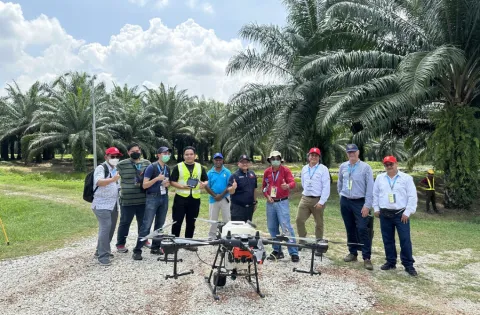
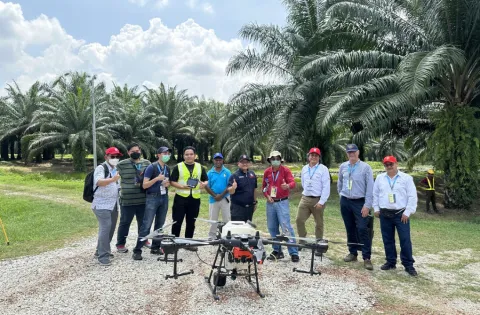
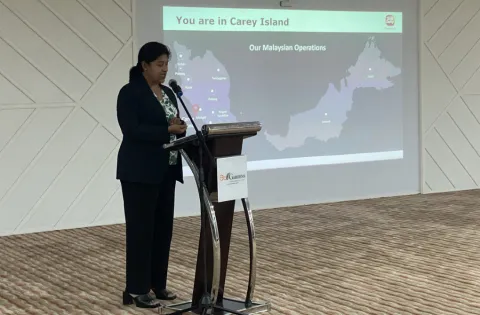
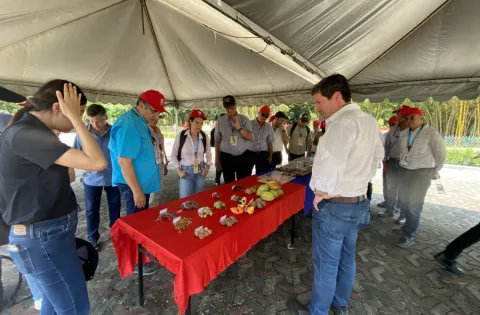
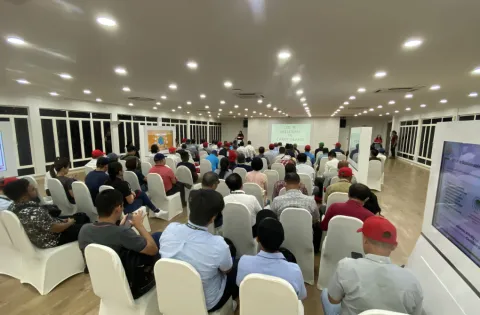
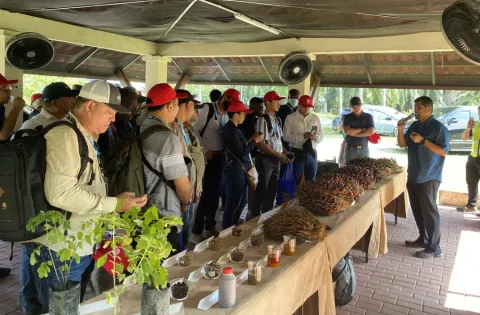
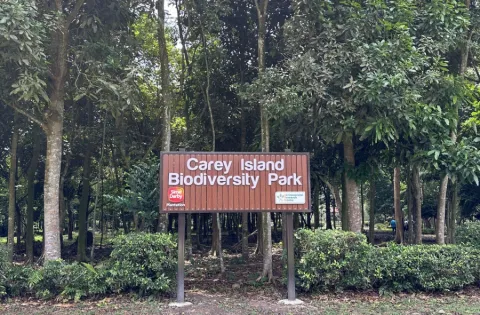
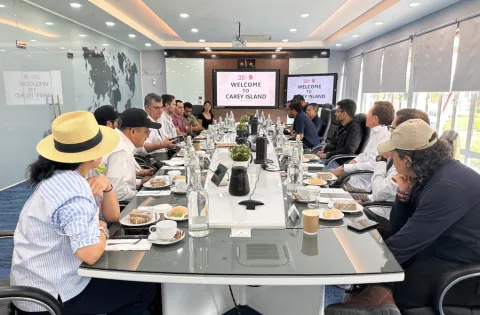
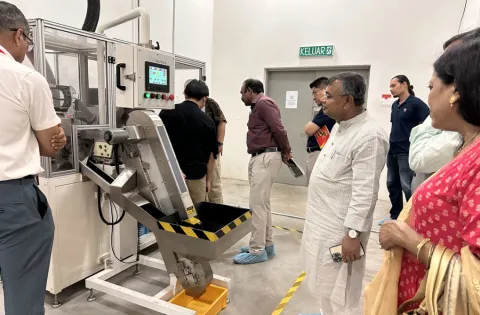
SIME Darby Plantation Bhd (SDP) played host to 1,806 participants at its inaugural SDP Future Fest ‘24 on Feb 24 and 25, 2024 at Carey Island, Selangor where the palm oil industry’s transformation was showcased.
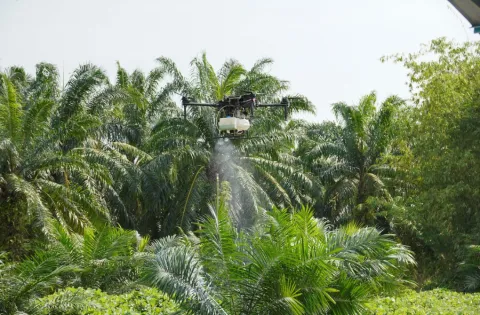
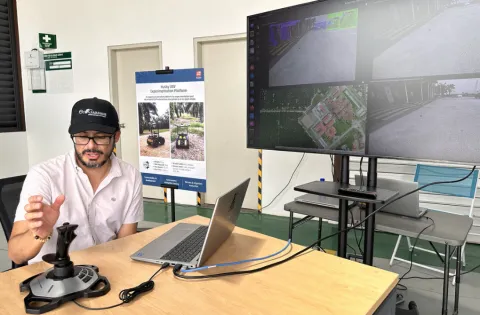
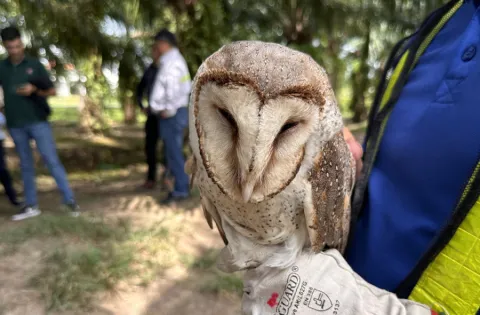
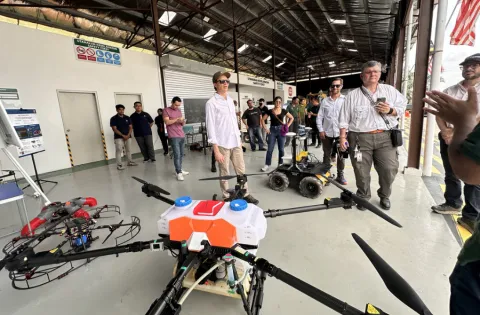
Attendees immersed themselves in oil palm greenery, witnessing flying drones, robotics and scientific innovations shaping the industry while interactive workshops, seminars, and heritage tours provided insights into the sector’s history and cultural significance.
These experiences provided valuable insights into the history and cultural significance of the palm oil sector.
Moreover, attendees were treated to countless Instagram-worthy moments as they explored the festival grounds and indulged in delicious local cuisine.
SDP Future Fest was a platform for like-minded individuals to unite in their commitment to sustainability and the future of agriculture.
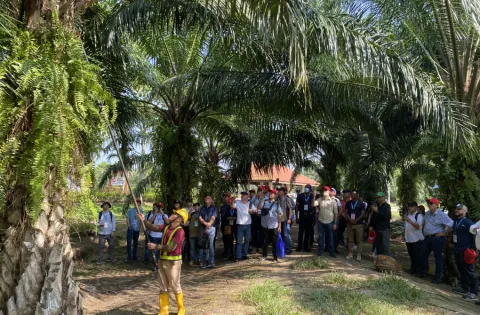
The event layout was divided into five different spaces — the Main Tent, EduPalm Field Demo, Edutainment Lounge, Michigan Technological University (MTU) and Robotics Workshop and Heritage and Biodiversity Tour.
The Main Tent
The first stop, the Main Tent, was where most of the exhibitions and booths were located.
The first two booths showcased sustainability and renewables. As global temperatures are projected to increase by 1.5°C before 2040, it is a well-known fact that urgent action is required to limit temperature fluctuations within this threshold.
Therefore, SDP acknowledges the imperative for all stakeholders to play a role in reducing emissions.
Aligned with its commitment to protect and enhance the environment, SDP has set a target of a 50% reduction in carbon intensity by 2030, as part of the nation’s journey towards achieving net-zero aspirations.
“Our action plan is comprehensive and clearly defined. We are actively engaged in efforts to restore degraded land, safeguard habitats, promote responsible agricultural practices and foster a circular economy through renewable energy (RE) initiatives.
“A critical aspect of our strategy involves eliminating deforestation from our supply chain, recognising the complexity of this task within the broader ecosystem,” an SDP spokesperson told The Malaysian Reserve (TMR).
Despite encountering challenges, SDP has made substantial investments to expedite progress towards our climate-positive targets.
“We have prioritised infrastructure investments to support climate change adaptation and mitigation efforts,” the spokesperson added.
SDP implements diverse climate-related strategies to mitigate emissions and promote sustainability.
These strategies involve investing in biogas plants and solar photovoltaics (PV) systems, enhancing operational efficiency globally, and implementing nature-based solutions like conservation areas and tree planting initiatives across multiple countries.
Additionally, SDP aims to eliminate deforestation from its supply chain by engaging with suppliers and smallholders and ensuring transparency through traceability platforms.
Collaboration with partners and investment in research and development further reinforce SDP’s commitment to driving positive environmental impact and aligning with global climate goals.
Upholding responsible agriculture and human rights charters, SDP ensures adherence to No Deforestation, No Peat and No Exploitation (NDPE) principles.
Collaboration with suppliers is essential in maintaining these commitments throughout the supply chain.
SDP’s Plant-A-Tree programme, launched in 2008, has seen nearly 1.9 million forest trees planted, including 120 endangered, rare and threatened (ERT) species across various landscapes like orangutan habitats and mangrove areas.
“With a target of three million trees by 2025, the programme showcased significant achievements, detailed in two guidebooks documenting flora and fauna growth,” the spokesperson said.
Next to the sustainability booth, the renewables booth showcased “Creating RE and Turning Waste to Wealth for Palm Oil Millers”.
It highlighted SDP’s commitment to achieving a 42% carbon emission reduction (CER) by 2030 for energy and industrial (E&I), Scope 1 and Scope 2 emissions.
The focus was on the CER Initiative via biogas projects, aimed at moving towards a net-zero ambition.
Previously, SDP announced its commitment to progressively developing more biogas plants to capture methane emissions from palm oil mill effluent (POME).
This innovative approach not only addresses environmental concerns but also contributes to RE production.
By harnessing biogas, SDP aims to convert waste into a valuable resource while significantly reducing carbon emissions associated with palm oil milling processes.
Moreover, the booth provided insights into the technological advancements and operational strategies employed by SDP to achieve these ambitious sustainability goals.
It served as a platform to educate stakeholders about the importance of RE and waste management in mitigating climate change impacts within the palm oil industry.
Digital and Innovation
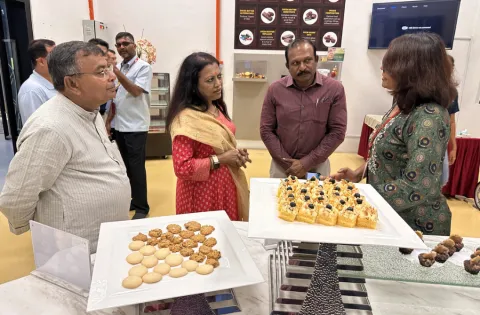
Meanwhile, the digital and Innovation area showcased palm oil applications such as confectionery, bakery, frying and dairy.
Palm oil serves as a dairy fat replacer, widely used in various products, with approximately 90% of supermarket items in Malaysia containing it.
The spokesperson pointed out that many people are unaware of palm oil’s presence in everyday items, from breakfast to personal care products.
“Our initiative aims to raise public awareness and provide breakthrough evidence for replication.
“Innovation is continuous, and we strive to engage the public annually to discover new applications,” he said.
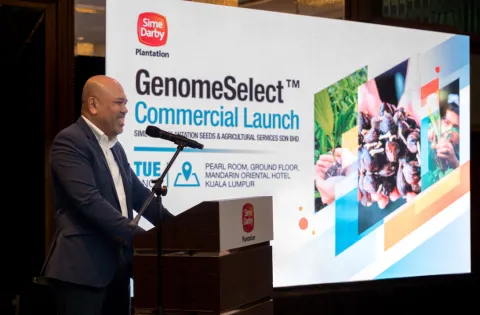
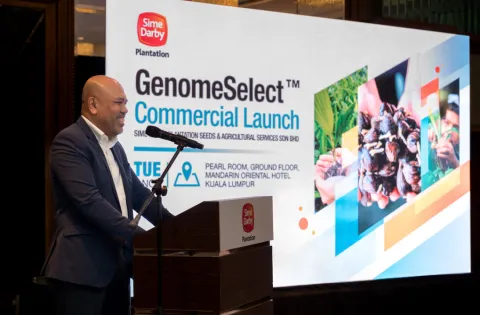
In a recent development, Sime Darby Plantation Seeds & Agricultural Services Sdn Bhd (SDPSAS), formerly known as Guthrie Plantation & Agricultural Services Sdn Bhd (GPAS) have produced GenomeSelectTM.
As the commercial arm of the research and development (R&D) centre, SDPSAS has taken on the responsibility of marketing products and technologies developed within the R&D centre, while also offering management expertise in plantation crops to external customers of the Sime Darby Group.
With a wealth of over 80 years of research in plantation crops and a team of more than 100 scientists and technologists, SDPSAS is committed to delivering innovative solutions and services to the agricultural sector.
The GenomeSelect™ oil palm seed received the Edison Award (energy and sustainability category) in April 2017, making it SDPSAS’ most successful planting material to date in terms of yield per ha.
Demonstrating exceptional performance, GenomeSelect™ was planted across 4,728ha from 2016 to 2022, yielding impressive results.
Notably, GenomeSelect™ recorded significant improvements in oil extraction rates (OERs), with a 25% to 31% increase across all soil types.
Furthermore, routine genetic testing ensures over 99% genetic purity for both GenomeSelect™ and calixQ6™.
According to data from September 2023, GenomeSelectTM achieved a 22.2% OER and a 25.1% of total OER, showcasing its remarkable effectiveness in boosting productivity.
Guthrie Agri Bio
Moving on, the Guthrie Agri Bio booth showcased products and services that are the result of rigorous R&D efforts.
These products undergo comprehensive field testing to ensure effectiveness and efficiency before being released commercially.
The range includes various tools such as harvesting poles, sickles and rat baits. Additionally, they offer fertilisers like NK Compact (NKC) and Muriate of Potash (MOP), tailored for optimised crop growth.
The company also provides agro-chemicals including herbicides for weed control and rodenticides for pest management.
Innovative Mecha-Tech solutions like the battery-powered ePangkas, eSorong, and eGagah series offer mechanised assistance in agricultural tasks, catering to the evolving needs of modern farming practices.
EduPalm Field Demo
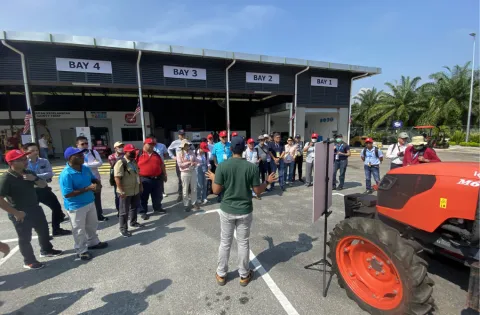
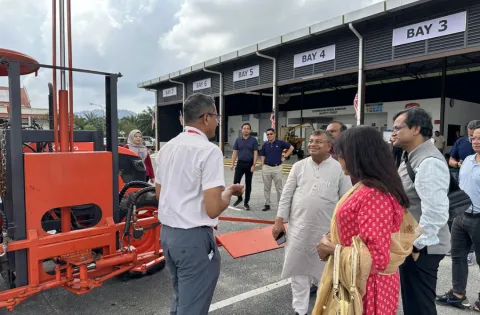
Outside of the main tent, the attendees at the EduPalm Field Demo were treated to a glimpse of the future of plantation management.
Drones, mechanised wonders and autonomous machines took centre stage, offering solutions tailored to various terrain challenges.
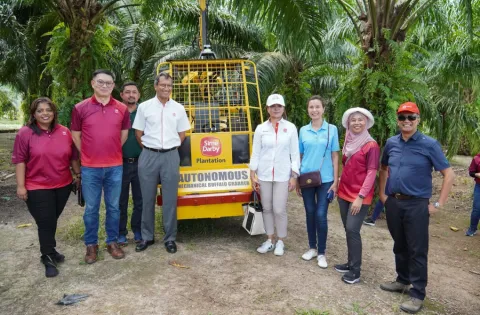
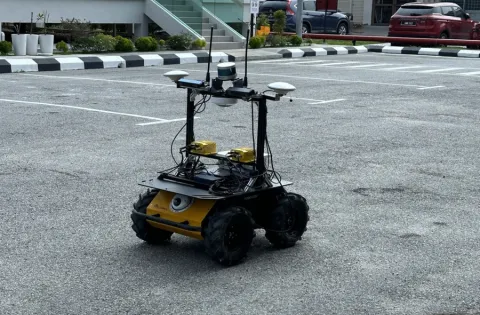
Among the star attractions were the laser ripeness sensor prototype and an autonomous robotic arm, promising precision and efficiency in fruit assessment and handling.
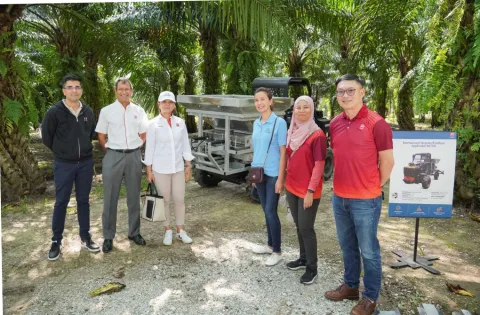
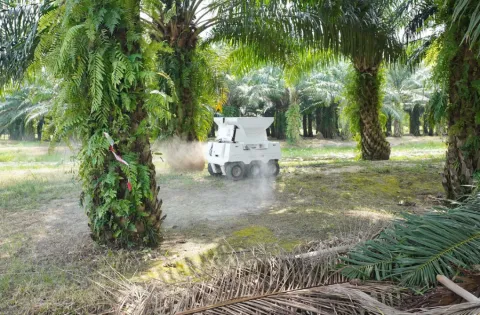
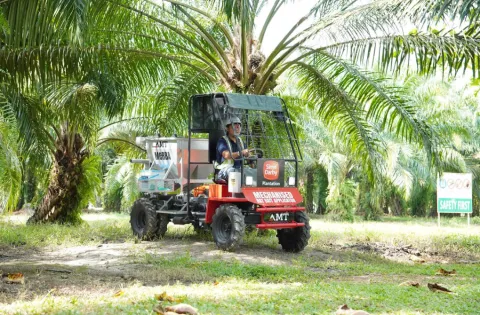
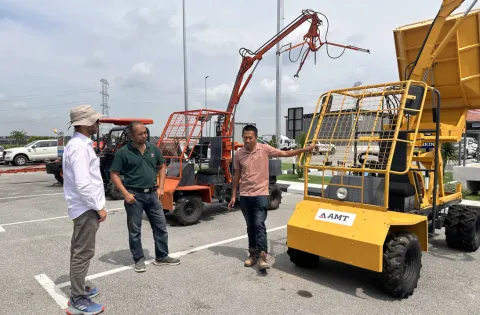
One standout was the mechanical buffalo with scissors lift (MBSL), a marvel designed to swiftly evacuate fresh fruit bunches into sizeable 10 metric-tonne (MT) bins.
Rigorously tested and approved by the Standard and Industrial Research Institute of Malaysia (SIRIM), the MBSL boasts a capacity of at least 600kg, ensuring stability across diverse surface conditions while covering 18ha per day.
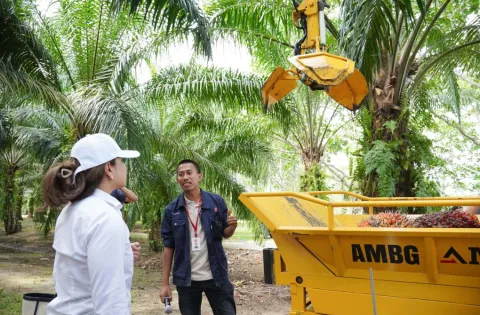
Not to be outdone, the mechanical buffalo with grabber (MBG) showcased its prowess in the ground-to-bin evacuation of hefty fruit bunches.
With its integrated grabber arm, the MBG eliminates the need for manual intervention, directly transferring fruit bunches into the 10MT bin, covering up to 20ha per day.
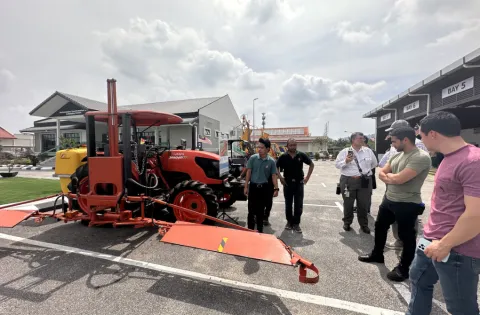
In addressing herbicide application, the herbicide sprayer (ImHS) emerged as a game-changer, significantly reducing labour demands by five individuals per day.
Its efficient circle spraying method covers 15ha daily, resulting in estimated cost and labour reductions of 38% and 67% respectively.
For mature areas, the Azman Sri Pulai herbicide strip sprayer stole the spotlight.
Developed in-house, this machine caters to terrains with less than 15-degree slopes, reducing manpower needs by three workers daily while covering 8ha to 9ha a day. Its implementation promises a staggering 63% reduction in costs.
Meanwhile, the Hasrul fertiliser lift (HFL) and mechanised terrace fertiliser applicator (MTFA) showcased their prowess in fertilisation, each slashing labour requirements by four workers daily while efficiently covering 8ha per day.
ST101 GEO
Lastly, the ST101 GEO strip sprayer was unveiled as a lifeline for upstream Malaysia estates grappling with acute labour shortages, of which 71 units have been deployed.
Designed for strip spraying in mature areas, its deployment has the potential to slash labour needs at a ratio of 1:5.
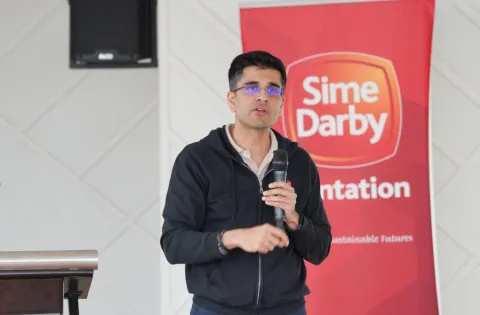
In a separate presentation, SDP chief digital Aditya Tuli shared with the audience a transformative initiative that began nearly three years ago, aiming to reshape the future of the plantation industry.
Despite over a century of existence, the Malaysian palm oil sector has seen minimal evolution, with labour-intensive practices persisting.
The industry, boasting over 5.6 million ha of planted land and employing over half a million workers, faces challenges in adapting to changing times.
Recent events like the Covid-19 pandemic further underscore the need for innovation, prompting SDP to launch Project Infinity, he explained.
“This initiative seeks to revolutionise plantation operations by embracing advanced technologies like drones and robotics.
“By introducing mechanisation and automation, the project aims to enhance productivity and reduce reliance on foreign labour,” he said.
Through collaborations with technology partners worldwide, including startups and research institutes, he affirmed that SDP is at the forefront of driving industry-wide transformation.
UGVs
In recent months, Tuli said SDP has witnessed rapid advancements in technology, with older versions of prototypes quickly evolving into newer iterations.
Notably, unmanned ground-based vehicles (UGVs) have emerged as a key solution, autonomously spreading fertilisers in plantations without human intervention.
As the technology progresses, newer versions of these prototypes are already in development, hinting at imminent commercial rollout.
Alongside UGVs, other innovations like laser tree detection systems and harvesting prototypes are being explored.
These advancements require supporting infrastructure such as charging facilities and connectivity, with the development of comprehensive software management systems like Palm Digital underway.
However, it is not just technology that is evolving; significant changes are occurring on the human front, too.
Job roles within plantations are shifting, with a focus on training drone pilots, park operators, and various engineering specialists.
This shift is attracting a younger workforce, including women, previously deterred by the labour-intensive nature of plantation work.
“The company is witnessing a paradigm shift, not only in technology adoption but also in workforce diversity and skill development, heralding a new era of innovation and opportunity within the industry,” Tuli said.
SDP chief R&D officer David Ross Appleton said with engineers working on process improvement across mills and refineries, and scientists focusing on product development, the R&D division tackles diverse challenges in both upstream and downstream operations.
“Prioritisation of projects involves balancing fundamental research with practical applications, focusing on critical issues like yield improvement and climate change resilience.
“Major investments in projects such as the Genome project underscore the company’s commitment to innovation and addressing industry-wide challenges,” he told TMR.
The team comprises around 150 scientists and 1,000 personnel involved in various research and fieldwork activities.
Robotics Workshop
As automation becomes increasingly crucial, initiatives like the Infinity programme aim to accelerate the adoption of new technologies to mitigate labour shortages and improve plantation efficiency.
“While solutions like mechanised wheelbarrows and tractor systems have been explored since the early 2000s, recent advancements in robotics offer promising prospects for further automation, although challenges such as fruit harvesting automation remain complex.
“Nevertheless, ongoing efforts to mechanise and automate plantation tasks aim to optimise resource allocation and enhance productivity in the face of evolving industry demands and job constraints,” Appleton added.
Moreover, SDP also aims to gradually reduce foreign workers in its oil palm plantations and target 100% local workforce in the sector by 2027.
This initiative, implemented through the local project, will incorporate agricultural technology such as drone usage for fertilisation, pest control and remote machinery operation.
According to SDP chief human resources officer Zulkifli Zainal Abidin, the reduction in foreign labour during this period will involve increasing the ratio of workers from one worker per 8ha area to 17.5ha.
“The objective of the local project is to recruit as many locals as possible to fill the vacancies in plantations nationwide.
“This came after the Covid-19 pandemic forced many foreign workers to return home and some were unable to re-enter. Initially, we hired locals to fill the vacancies,” he said in a press conference.
Furthermore, besides reducing reliance on foreign workers, the planned mechanisation aims to change perceptions about plantation work being difficult, dirty and dangerous (3D).
However, during this period, foreign workers will be retained for tasks related to fruit bunch harvesting until technology and mechanisation for these activities are introduced.
In his speech on Feb 23, Agriculture and Commodities Deputy Minister Datuk Chan Foong Hin said the ministry, represented by the Malaysian Agricultural and Commodities Institute (IMPAC), expressed deep gratitude towards SDP for their collaboration in advancing the government’s mission to cultivate a knowledgeable and skilled workforce.
He spoke about how IMPAC, designated as the Industry Lead Body by the Department of Skills Development (JPK), is pivotal in driving the technical and vocational education and training (TVET) agenda within the agriculture and commodities sector.
To note, IMPAC has taken proactive measures to foster an environment that appeals to the younger generation, encouraging them to pursue careers in the agri-commodity field.
The integration of mechanisation and automation into farming practices is highlighted as a significant avenue for creating high-value job opportunities, and ensuring competitive wages within the sector.
SDP also signed a memorandum of agreement (MOA) with Universiti Malaya for R&D of laser cutting tools for fruit bunch harvesting.
Additionally, the plantation company signed an MOA with the Malaysian Palm Oil Board (MPOB) for the development of machinery experts.
SDP chairman Tan Sri Dr Nik Norzrul Thani Nik Hassan Thani said the SDP Future Fest’24 was the first of its kind to showcase the latest technology advancements in trans-forming oil palm plantation work.
“Today, advanced machinery and technology have been implemented in our plantations. Some machines or technologies are still undergoing testing before being used and commercialised.
“Our dream is to build the ‘Plantation of the Future’. We believe that the changes we envision will not only elevate the oil palm plantation sector to excellence but also attract more locals to join the palm oil industry in our country,” he said.
Click to see the article
08 February 2024
SDP committed to pursuit of high integrity
Sime Darby Plantation Bhd (SDP) has reinforced its pledge to pursue integrity in all its dealings and stay on the straight and narrow path to success.
“In our current world, the opportunities to commit wrongdoings and fraud have been made even easier with the widespread use of digital technologies.
“There are now deepfakes, artificial intelligence to deploy at our fingertips if we want to dabble with it.
“The temptation to be corrupt is greater today than ever before,” its group managing director Datuk Mohamad Helmy Othman Basha said in his speech at the Integrity Summit 2023.
“To counter these temptations, we need the strength of our own moral values and beliefs.
“This is precisely why our internal integrity campaigns are so important and we have to reinforce these messages continuously as we need to be reminded again and again to stay on the straight and narrow path, staying true to our own beliefs,” he added.
He noted the company’s commitments in this respect, saying that SDP has in place readily available channels of communication for all its employees to address any concerns related to ethics and integrity.
“We must continue to improve and I am not satisfied with whatever we have achieved today. We can do more, please do more wherever you are.
“All the business units, whether in upstream or downstream, all are part of the SDP family and we expect that you will uphold to the highest standards,” he said.
Helmy said if any employee encounters moral issues with integrity, they should report it to the relevant internal departments within the company, such as through the independent whistleblowing channel.
“Please use these channels if necessary. Rest assured that the company will always support you for acting with integrity. It is SDP’s commitment to ensure that we continue to uphold integrity irrespective of rank and seniority.
“All employers are held to the same standards of integrity, regardless of rank, levels or profession. If any of us fails to uphold these values, you would have failed our organisation. We would also have failed ourselves,” Helmy added.
He stressed that the reinforcing of its integrity pledge were not merely words, slogans or plain statements, as company systems are fully in place to prevent corrupt practices.
“In September 2023, we successfully renewed our ISO 37001 Anti Bribery Management Systems surveillance audit with no (conforming) reports recorded and this is a big achievement. This is our testament to the robustness of our internal controls,” Helmy said.
“Every (any) single incident will be reported and logged. It can be troublesome to investigate every single case. In every single subsidiary, all these reports will be presented and discussed at great length.
“Whenever there are serious cases, my instructions are to make an external report whether to the police or Malaysian Anti-Corruption Commission (MACC),” he added.
The summit, which featured a forum discussion titled “Integrity Begins with You”, included two distinguished panel speakers, MACC former chief commissioner Tan Sri Abu Kassim Mohamed and Malaysia Association of Certified Fraud Examiners president and the Anti-Corruption Advisory Board former member Datuk Seri Akhbar Satar.
The session was moderated by Pushpan Murugiah, chief executive officer of the Centre to Combat Corruption and Cronyism, also known as the C4 Center.
Click to see the article
24 January 2024
Sime Darby Plantation appoints Mohd Haris as group COO
Sime Darby Plantation Bhd (SDP) has appointed Mohd Haris Mohd Arshad as group chief operating officer effective Jan 1, 2024.
Mohd Haris will oversee Malaysia, Indonesia, Papua New Guinea and Solomon Islands’ upstream operations and will also continue to serve as Sime Darby Oils managing director, where he will lead marketing expansion efforts and revenue growth.
“This appointment signals Sime Darby Plantation’s readiness for the future. Building on the achievements of the past, Mohd Haris’ leadership will be instrumental in navigating our business through the opportunities and challenges we face as an organisation with a global footprint,” said SDP group managing director Datuk Mohamad Helmy Othman Basha in a statement today.
In addition to his main responsibilities, Mohd Haris will also spearhead the group’s key corporate exercises, said SDP.
Mohamad Helmy said SDP has also established an Operations Leadership Team (OLT) effective Feb 1, to be chaired by Mohd Haris, which will be instrumental in ensuring seamless alignment and coordination of the group’s strategic efforts.
“The OLT will consist of the three chief executive officers responsible for our upstream operations, the chief operating officer of Sime Darby Oils, and the chief research and development officer,” he added.
Click to see the article